 Hover to zoom
Zoom ×2
Zvi MeirovichFull artist page
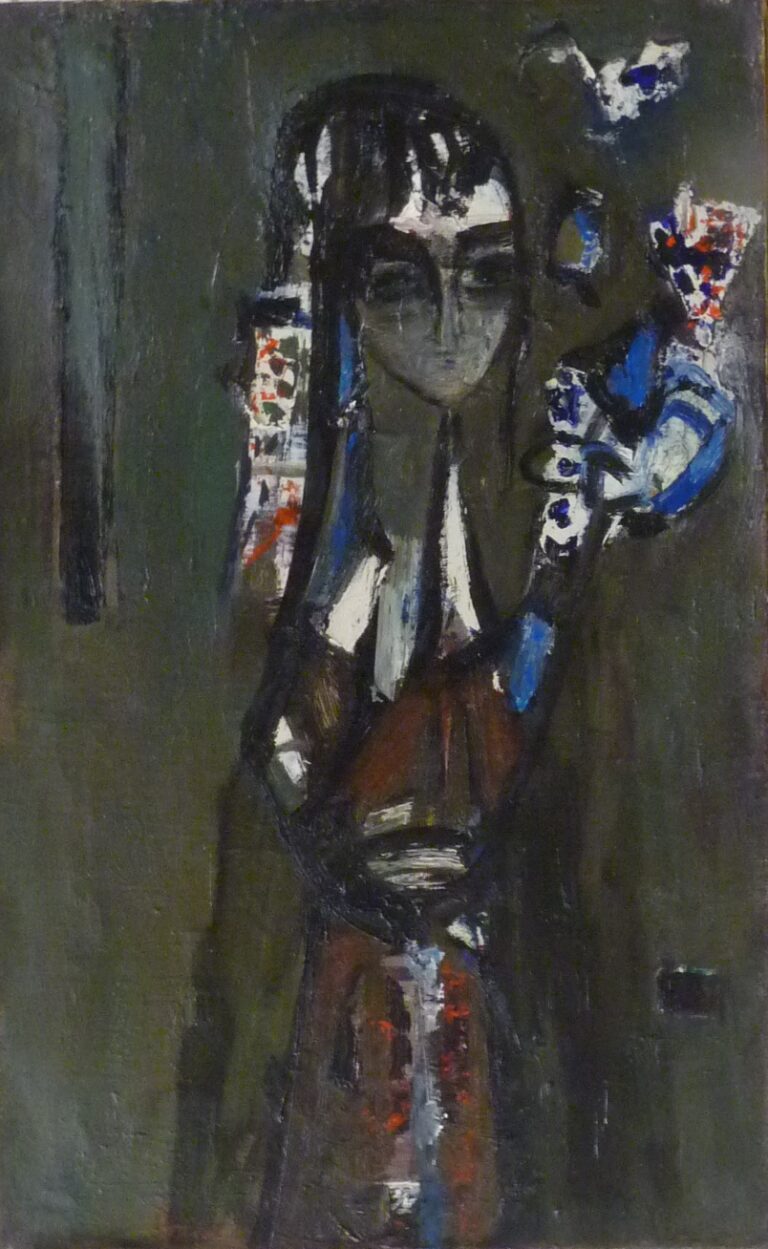
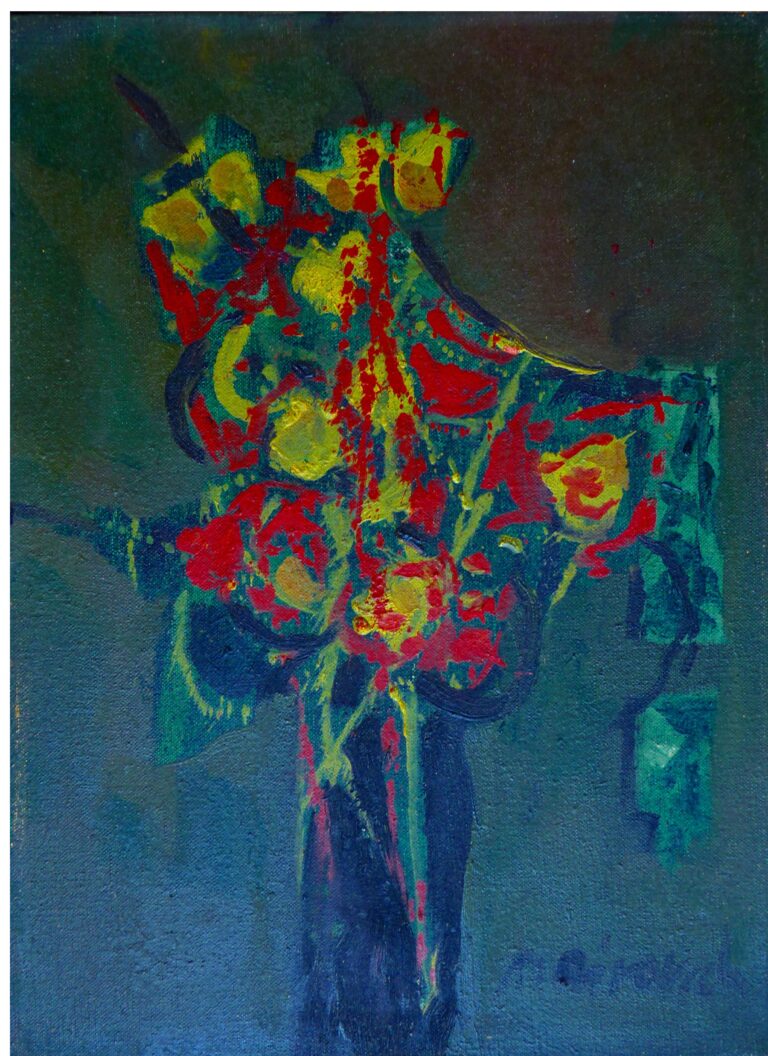
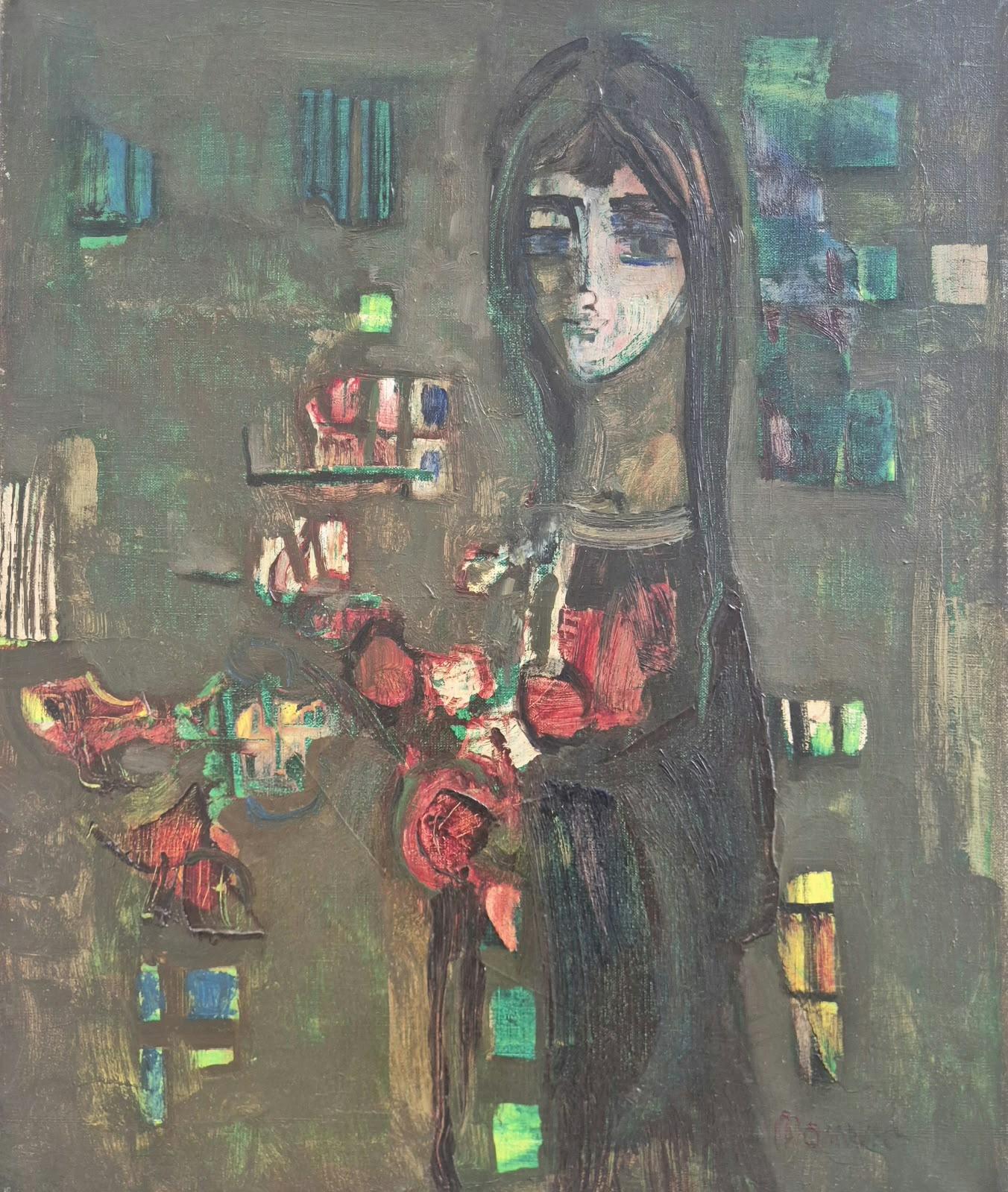
נערה עם פרחים
Artist NameZvi Meirovich
TechniqueOil on Canvas
Height62
Width50
SKU21026
Prices include VAT and are classified as a recognized business expense
Zvi Meirovich
Meirovich was born in 1911 in Krosno, Galicia.
בשנת1924החל לימודים גבוהים באקדמיה לאמנות בברלין, שם למד במשך שנתיים. הלימוד התיאורטי לא הספיק לו, והוא התקבל לאולפן של האמן קארל הופר(Karl Hofer)מראשי האקספרסיוניסטים הגרמניים, שם עבד שמונה חודשים. בשנת 1926 צייר את התפאורות להצגה "הדיבוק" שהועלתה בקרוסנו.
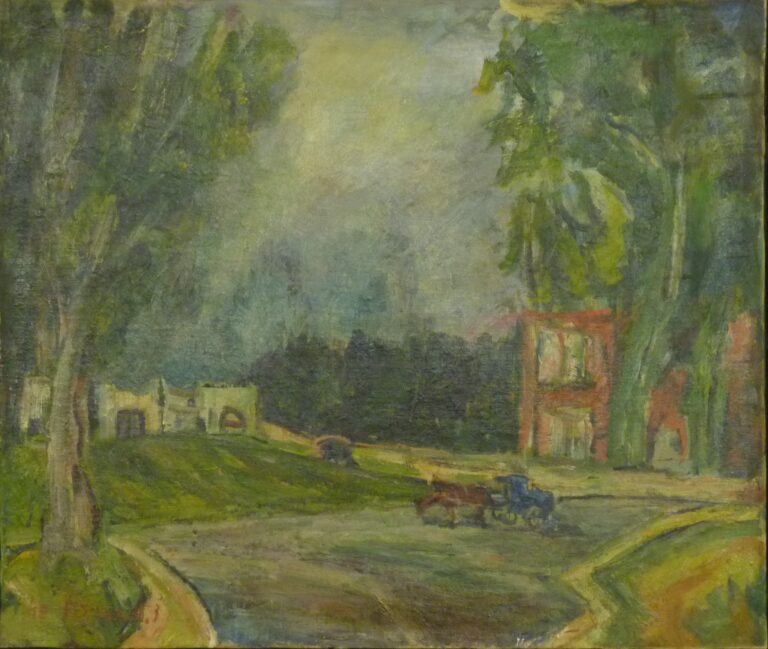
בשנות ה-30 התמקד מאירוביץ' בציורי נוף אקספרסיביים שצויירו בארץ. פלטת הצבעים בה עשה שימוש, התמקדה בעיקר בגוונים של ירוק אפור וכחול. בשנת1934לאחרעליית הנאצים לשלטון בגרמניה, עלה לארץ ישראלוהתיישב בחיפה.
מאירוביץ' יחד עם האמניםמנחם שמי, אברהם מוהר, עוזר שבתואחרים, יזם את הקמת "קבוצת אמני חיפה". הוא פגש אתיעקב וכסלרוהחל לעבוד עמו במשותף. משנת1948נמנה על קבוצת האמנים"אופקים חדשים".
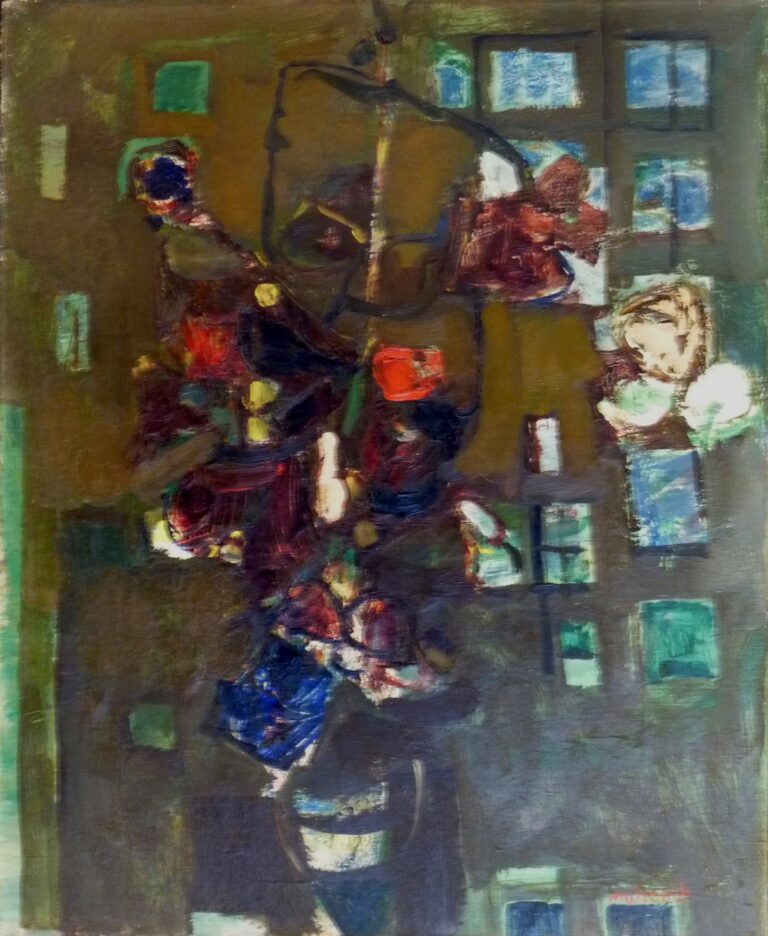
Meirovich's paintings represent a fusion of intellectual reflection and deep emotional experience. His paintings convey great formal power through the breaking apart and reassembly of form, and color values built from graduated hues and sub-hues. Although his paintings display seemingly turbulent brushstrokes, in practice these were always made deliberately and precisely, with nothing left to chance.
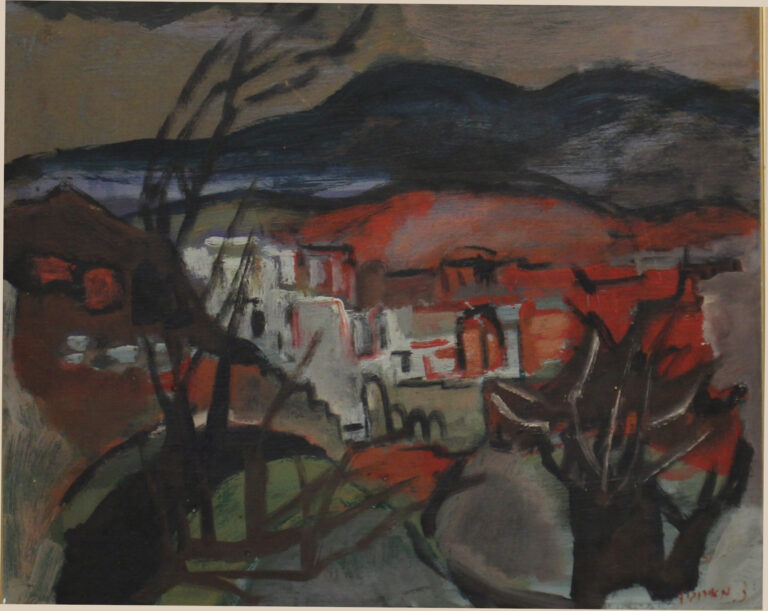
In his paintings from the 1940s the theme of landscape continued to appear, but the landscapes became more enclosed. This period saw the emerging influence of French art of the time and its rigid geometry, devoid of perspective, flattening the figures and objects in the painting without volume or depth, as though pressed into the canvas. His paintings feature flower vases, women, girls, and still lifes (mainly fruit), painted in an abstract manner with great sensitivity to the use of color. It was then that he began to explore warm shades of red and brown as well.
In 1966 Meirovich painted the first series of works that would later be called "The Pandas," in which he used oil-pastel crayons (named "Panda" after the factory that made them), oil paints, pencil, and graphite on paper. In these paintings, feverish lines filled the picture surface completely. These works became, over time, the ones most identified with Meirovich. In his Panda paintings, Meirovich, in his own words, turned "a painting of nature into the nature of painting."
מאירוביץ' הרבה לצייר גורמים מן הטבע והציגם בהפשטה. תהליך עבודתו היה הדרגתי שיטתי, ולמרות זאת לא כפה על עצמו כל חוק באשר לגילום הצורות כאלמנטים מופשטים. מאוחר יותר ויתר על דימויים ברורים והחל ביצירת קומפוזיציות חופשיות ללא מבנה, בהם היסוד הצבעוני מילא תפקיד מכריע. הצורה בציוריו שומרת על תכונותיה העצמאיות ומוצגת כאשליה תלת ממדית.
Meirovich won the prestigious Dizengoff Prize three times (in 1942, 1950, and 1961).
He exhibited in numerous exhibitions around the world, and his works are held in many collections and museums in Israel and abroad.
He was married to the author Yehudit Hendel. He passed away in 1974 at the age of 63.